
Feb. 18, 2025
Optimizing IV Fluid Bottle Production Line for Healthcare Efficiency
In the healthcare sector, the efficiency of the IV (Intravenous) fluid bottle production line is essential for patient care. The quality and speed of production directly influence the availability of vital medical supplies. Enhancing the production line for IV fluid bottles is crucial for improving healthcare efficiency, ensuring patient safety, and decreasing operational costs. This article outlines effective strategies and best practices for optimizing the production line to maximize healthcare outcomes.
The primary role of IV fluid bottles is to administer critical fluids such as saline, glucose, or medications directly into patients' veins. These fluids are indispensable for patients who cannot take oral medications or require hydration. Thus, a reliable and efficient production line is paramount, as any delays or manufacturing defects could have serious implications in healthcare settings.
Manufacturing IV fluid bottles involves complex processes that demand precision and strict quality control. Key challenges include:
Ensuring Uniform Quality: It is vital that bottles are free from contamination and comply with strict regulatory standards.
Reducing Production Time: Delays can adversely impact supply chains, especially during peak demand periods.
Minimizing Waste: Inefficiencies in production can result in higher material costs and waste.
To enhance production efficiency, manufacturers should consider adopting the following strategies:
Automation is a powerful method for improving efficiency within the production process. By incorporating automated machinery for tasks such as filling, sealing, and labeling, manufacturers can significantly reduce human error, enhance speed, and guarantee consistency. For example, automated filling systems ensure accurate fluid levels, thereby minimizing the risks of overfilling or underfilling bottles.
Quality control is vital in the production of IV fluid bottles. Even minor defects can lead to serious health risks. The adoption of automated inspection systems capable of detecting cracks, leaks, and inconsistencies is essential to ensure that only high-quality products reach the market. Regular audits and batch testing further mitigate the risk of defects.
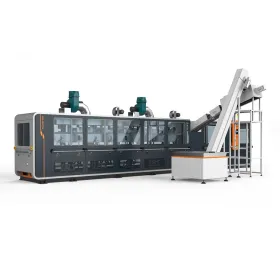
Efficient supply chain management plays a crucial role in maintaining production efficiency. By diligently tracking raw material inventories and automating the replenishment process, manufacturers can prevent delays from material shortages. Leveraging real-time data tracking and demand forecasting enables informed decisions regarding production scheduling.
The success of the production line heavily depends on the individuals operating it. Investing in workforce training provides staff with the knowledge necessary to operate automated systems effectively and conduct quality control checks. Competent employees are more adept at identifying issues early, reducing waste, and ensuring smooth production processes.
Numerous healthcare manufacturers have successfully optimized their IV fluid machines to achieve substantial improvements in efficiency and cost-effectiveness. For instance, a prominent pharmaceutical company in Europe reported a 25% reduction in production time post the adoption of automated filling and capping systems. This transition not only expedited production but also reduced labor costs and minimized human errors.
Another notable case involved an Asian manufacturer that integrated AI-based quality control within its production line, resulting in a 15% drop in defective products and increased customer satisfaction.
Optimizing the production line yields several critical advantages:
Enhanced Efficiency: Automation and streamlined methods enable manufacturers to produce more in less time, addressing urgent healthcare demands.
Cost Reduction: Decreased waste, accelerated production, and fewer defects lead to notable cost savings.
Improved Product Quality: Consistent automation and regular quality assessments guarantee that all IV fluid bottles adhere to regulatory requirements, protecting patient health.
Superior Scalability: Optimized production lines easily adapt to changing demand, facilitating production increases as necessary.
Embracing these best practices will prepare manufacturers to tackle the evolving challenges of the healthcare industry, delivering high-quality IV fluid bottles that enhance patient outcomes.
If you are interested in sending in a Guest Blogger Submission,welcome to write for us!

All Comments ( 0 )