
Aug. 26, 2025
Screen printing is one of the most popular printing methods for textiles, electronics, ceramics, and more. At the heart of this process is the screen printing mesh, which determines print quality, durability, and efficiency. Among various mesh materials, polyester screen printing mesh has become the industry standard due to its superior stability and versatility. In this guide, we will explore the types of polyester screen printing mesh, its applications, how it compares with nylon mesh, and the best practices for cleaning and care.
Polyester screen printing mesh is available in different mesh counts and thread diameters, making it suitable for a wide range of applications. The main types include:
Low Mesh Count (20–110 mesh)
Suitable for printing large, bold designs and thicker inks such as plastisol or glitter ink.
Commonly used for textiles, posters, and promotional items.
Medium Mesh Count (120–200 mesh)
Offers a balance between ink deposit and image detail.
Ideal for detailed textile prints, ceramic printing, and some industrial applications.
High Mesh Count (200–400 mesh)
Provides high detail with a thinner ink deposit.
Used for fine printing on electronics, solar panels, glass, and high-resolution graphics.
By choosing the right mesh type, printers can control ink flow, sharpness, and durability of the final product.
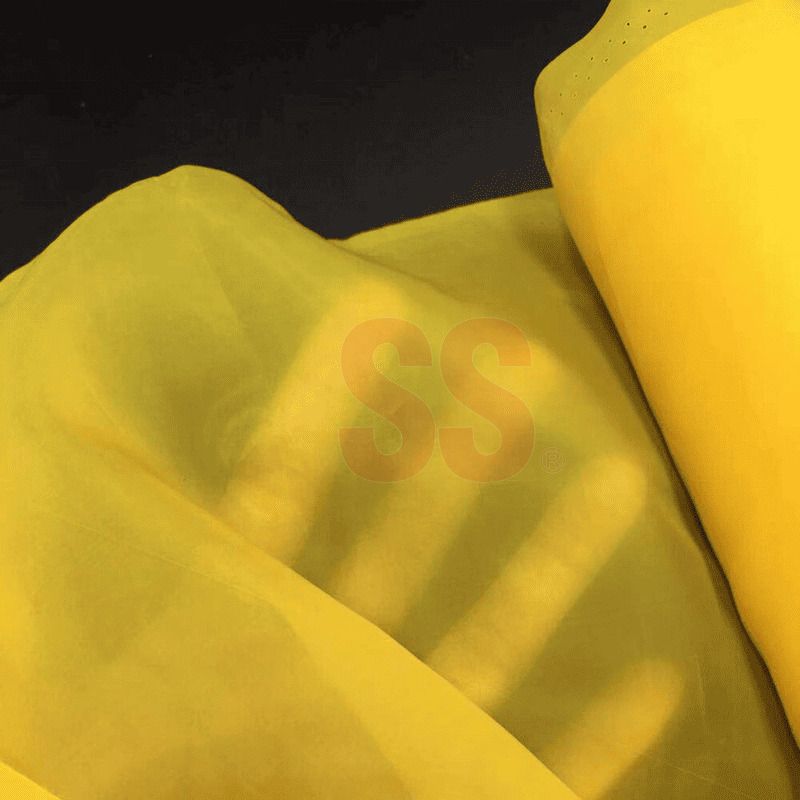
Polyester mesh is used across multiple industries due to its strength, precision, and versatility. Common applications include:
Textile printing (T-shirts, fabrics, garments)
Glass and ceramic printing (decorative designs, logos, patterns)
Electronics printing (circuit boards, solar cells, conductive inks)
Advertising materials (banners, posters, packaging)
Industrial coatings (membranes, labels, films)
Its ability to deliver consistent ink distribution makes polyester mesh indispensable for both commercial and industrial printing.
Both polyester and nylon meshes are used in screen printing, but they have distinct properties:
Polyester Mesh
Higher tension stability
Less elongation during printing
Longer lifespan
Resistant to chemicals and solvents
Preferred for precision printing
Nylon Mesh
More elastic and flexible
Prone to losing tension over time
Less durable than polyester
Suitable for rough surfaces and ceramic printing
Overall, polyester mesh is considered the better choice for accuracy and consistency, while nylon is used in niche applications requiring extra flexibility.
Using polyester screen printing mesh offers multiple benefits, including:
Dimensional stability: Maintains tension during long print runs.
Durability: Resistant to wear, chemicals, and repeated use.
High resolution: Supports fine detail and sharp prints.
Versatility: Works with various inks (plastisol, water-based, UV, solvent-based).
Cost-effectiveness: Longer lifespan reduces replacement frequency.
These advantages make polyester mesh the industry standard for modern screen printing operations.
Proper cleaning and maintenance extend the life of polyester mesh and ensure consistent print quality. Key tips include:
Immediate Cleaning After Printing
Remove ink residues quickly with appropriate solvents or screen cleaning solutions.
Avoid Harsh Scrubbing
Use soft brushes to prevent damaging the mesh fibers.
Degreasing Before Re-Coating
Clean with a degreaser before applying new emulsion to ensure adhesion.
Storage in Dry Conditions
Keep screens in a dust-free, dry area to avoid contamination.
Regular Inspection
Check for mesh damage, tears, or loss of tension and replace when necessary.
By following these steps, screen printers can maximize the efficiency and lifespan of their polyester screens.
Polyester screen printing mesh has revolutionized the printing industry with its strength, stability, and versatility. Whether you are printing textiles, ceramics, or electronic components, choosing the right mesh type and maintaining it properly ensures superior results. Compared to nylon, polyester mesh stands out as the most reliable and cost-effective solution for professional screen printing.
For businesses aiming to achieve consistent, high-quality prints, polyester mesh remains the top choice.
Previous: None
Next: None
If you are interested in sending in a Guest Blogger Submission,welcome to write for us!

All Comments ( 0 )