
Feb. 14, 2025
The Recycling of Waste Wires and Cables: Importance and Future Directions
With the ongoing advancement of urbanization, the number of waste wires and cables continues to grow. Improper disposal of these materials not only occupies significant land resources but also poses serious risks to both the environment and human health. Consequently, the recycling of waste wires and cables has emerged as a critical environmental protection issue. This article discusses the significance, current status, treatment methods, and future directions of waste wire and cable recycling.
The recycling of waste wires and cables carries numerous benefits. Firstly, it reduces the demand for raw materials, leading to lower production costs. Secondly, these waste materials are rich in valuable metals like copper and aluminum. Recycling helps to effectively reclaim these resources. Additionally, waste wires and cables may contain rare and precious metals, making their recycling crucial for conserving resources and promoting the circular economy. Lastly, recycling aids in minimizing environmental pollution and protecting ecological balance.
Currently, the recycling of waste wires and cables is gaining significant attention. Many governments worldwide have implemented laws and regulations mandating the recycling and proper disposal of these materials. Numerous enterprises have also proactively engaged in recycling waste wires and cables, employing scientific methods and technologies for effective treatment and reuse.
Despite the increasing focus on recycling, the vast quantity, variety, and complexity of waste wires and cables pose ongoing challenges. The primary concerns include improving recycling efficiency, boosting resource utilization, reducing processing costs, and enhancing environmental protection performance.
The effective treatment of waste wires and cables requires advanced scientific methods and technologies. Currently, the most common treatment approaches consist of mechanical and chemical methods. The choice of a specific treatment method must consider factors such as type, quantity, value, environmental compliance, and treatment costs.
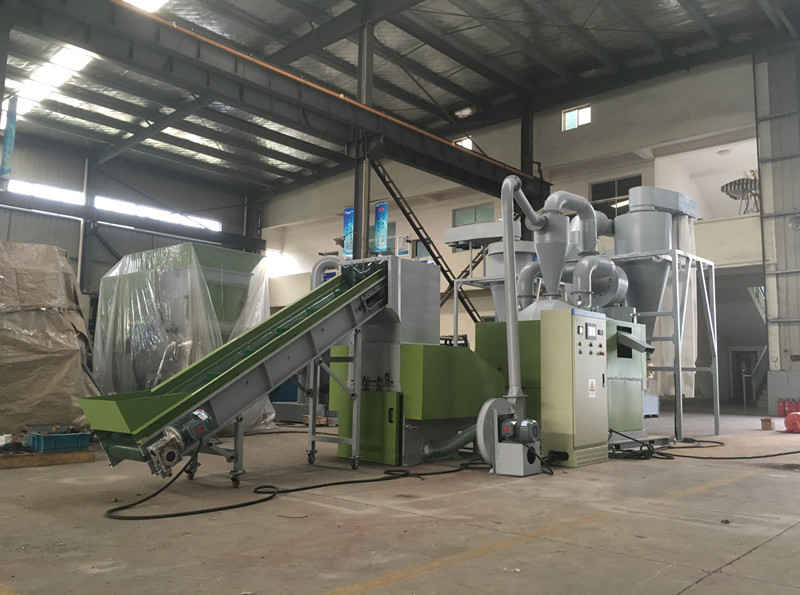
Mechanical treatment is a widely used method for processing waste wires and cables. This technique primarily relies on physical methods, such as crushing and sorting, to separate and recycle the various components. Although mechanical treatment is cost-effective and efficient, it faces challenges related to low resource utilization and limited metal recovery rates.
Chemical treatment serves as another prevalent method for addressing waste wires and cables. This approach mainly involves the extraction of metal elements through chemical reactions. While chemical treatment boasts a high metal recovery rate and relatively low processing costs, it also raises concerns regarding environmental pollution and substantial consumption of chemical reagents.
As environmental awareness continues to rise and technology advances, the future of waste wire and cable recycling is likely to emphasize environmental protection and resource reclamation. Key focus areas for future development include:
1. Exploring more efficient recycling and processing technologies: Continued investment in research and development efforts will be critical in finding more effective recycling methods that enhance resource utilization and increase metal recovery rates.
2. Developing environmentally friendly treatment methods: Emphasizing environmental performance will lead to the creation of eco-friendly waste wire and cable treatment methods, thereby reducing pollution and mitigating environmental harm.
For more information, consider acquiring a Copper wire recycling machine.
Previous: The main function of ozone generator
Next: Why do some ozone generators have a short service life?
If you are interested in sending in a Guest Blogger Submission,welcome to write for us!

All Comments ( 0 )