
Jul. 17, 2025
Injection molding is one of the most widely used manufacturing processes in the world, known for its high precision and scalability. However, defects in injection molded parts can lead to delays, product recalls, and increased costs. Whether you're producing parts for automotive, electronics, or consumer goods, understanding and preventing these defects is critical to your success.
This guide identifies the most common injection molding defects, explains their causes, and provides actionable solutions. Our proven strategies help you improve production quality, reduce scrap rates, and accelerate your time to market.
Start improving your yield today.
Problem: Incomplete filling of the mold, leaving parts with missing sections.
Solution: Increase injection pressure or speed, raise melt temperature, or improve venting. Short shots often indicate flow restrictions or air traps that must be addressed during mold design.
Use case: In thin-walled electronics casings, preventing short shots ensures structural integrity and aesthetic appeal.
Problem: Small depressions on the surface, usually over thicker sections.
Solution: Optimize packing pressure and time. Modify part geometry to reduce thick wall sections. Sink marks can affect part appearance and fit in precision assemblies.
Use case: For automotive interior components, minimizing sink marks ensures visual consistency and user satisfaction.
Problem: Distortion or bending of the part after ejection.
Solution: Balance mold temperature, use uniform wall thickness, and reduce residual stresses. Warping is often linked to uneven cooling or material shrinkage.
Use case: Warpage in mechanical housings can cause misalignment in final assembly, leading to functional failure.
Problem: Excess material leaking out at the parting line of the mold.
Solution: Adjust clamping force, improve mold fit, or inspect for worn tooling. Flash increases post-processing labor and can compromise tolerances.
Use case: In precision medical devices, flash must be avoided to maintain tight dimensional accuracy.
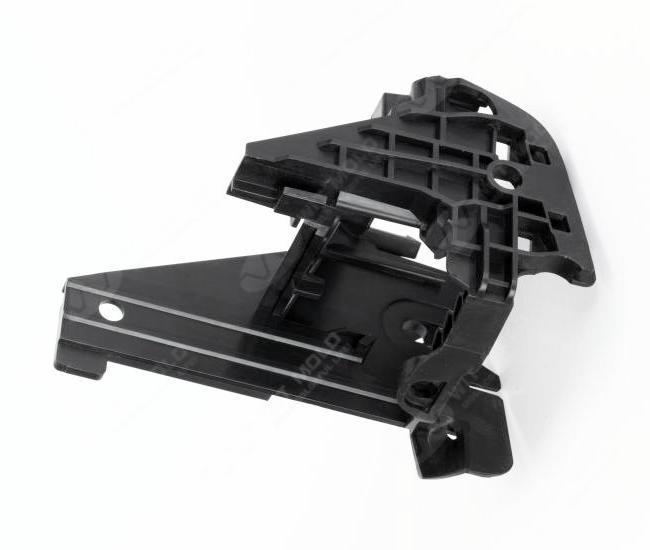
Problem: Black or brown discoloration caused by trapped air or overheating.
Solution: Enhance mold venting and reduce injection speed. Burn marks not only affect aesthetics but also weaken structural integrity.
Use case: In visible consumer products like handheld tools, burn marks reduce perceived quality.
Experiencing high reject rates in your molding process?
Common defects like short shots and sink marks are symptoms of deeper design or process imbalances. Our expert recommendations help reduce these rates by up to 40 percent.
Losing time and money in post-processing or rework?
Eliminating flash and warpage at the source can cut secondary operations in half, boosting productivity and saving costs.
Dealing with customer complaints or product returns?
Our approach to root cause analysis and mold optimization helps prevent issues before they reach your customer.
Our defect analysis framework has helped over 500 companies in automotive, aerospace, consumer electronics, and industrial sectors. Here's what industry leaders are saying:
“We cut our scrap rate by 60 percent in just 3 months after implementing your defect control process.”
— Manufacturing Director, Global Automotive Supplier
“Thanks to your mold diagnostics tools, we reduced burn marks on our parts without slowing production.”
— Production Supervisor, OEM Plastics Processor
We partner with top equipment and material brands including Engel, Arburg, BASF, and Dow, and our expertise has been featured in Plastics Technology Magazine and Injection World.
We offer:
Free injection defect analysis for new customers
On-site or remote troubleshooting packages
Access to proprietary molding optimization guides
Tiered pricing for consulting services based on project size
What are the most common injection molding defects?
How can I reduce short shots in plastic molding?
What causes warping and how do I prevent it?
Why do injection molded parts have sink marks?
How can flash be eliminated from injection molded parts?
Conclusion: Defects in injection molding don't just hurt your production line — they hurt your brand. By addressing the root causes and optimizing your process, you can produce better parts, faster, and at lower cost.
Previous: CNC Machining Services Supplier: Your Guide to Top Quality Parts
Next: Custom Metal Stamping: Benefits, Processes, and Applications Explained
If you are interested in sending in a Guest Blogger Submission,welcome to write for us!

All Comments ( 0 )